

As the global demand for clean and sustainable energy intensifies, Tidal Energy is emerging as a reliable and predictable renewable resource. With the potential to transform coastal power generation, the Industrialisation and Commercialisation of Tidal Energy mark a major milestone toward a more sustainable future.
Key industry players have partnered to deliver complete, grid-integrated power systems based on what will be the world’s largest tidal turbines. At GDT, not only are we proud to be supporting these clients but also to be playing an active role in advancing the development of resilient, sustainable coastal energy systems.
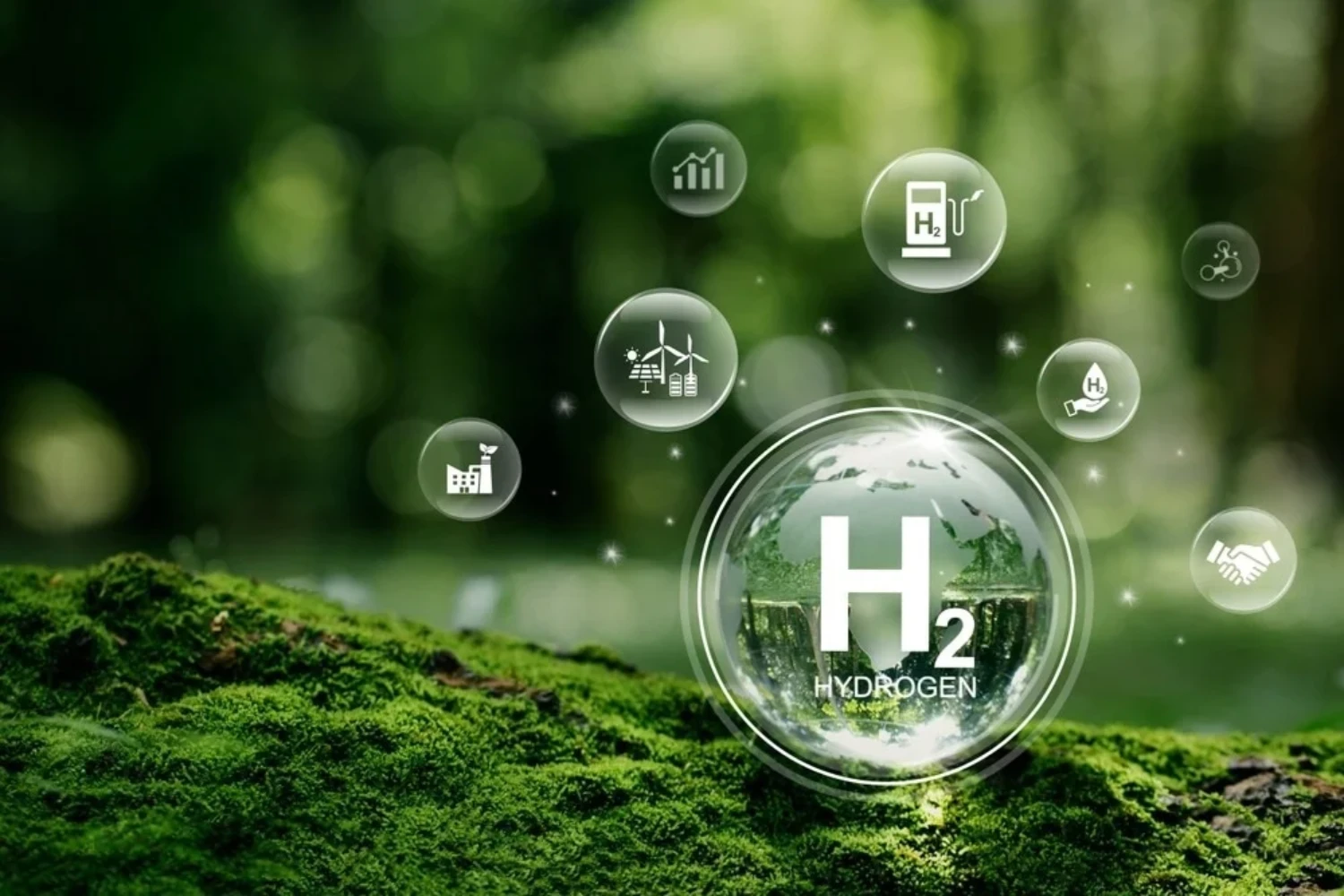
Short-Term vs Long-Term Investment? Major GH2 3GW Project Approved
Despite concerns over the negative environmental impact regarding local historic sites, Statera Energy have had approval from the Scottish government to go ahead with their Green Hydrogen project, aimed to produce 3GW of H2 in the next decade.
Similar to the goals and timelines set for other leading GH2 projects, this plant is aimed to be in service by 2030 onwards, however progress may be stalled in what must be deemed as one of the most volatile industries across all Renewable Energy sectors.
Valid are the concerns regarding the effect on surrounding areas, but does this disruption outweigh the long-term benefits of the transition towards clean fuels?

Renewable Energy and Wildlife Conservation: Striking the Balance
As renewable energy projects expand, balancing sustainability with wildlife conservation has become crucial. Innovations in wind turbine design and careful site selection are minimising environmental impacts, ensuring that clean energy development aligns with ecological preservation. This approach highlights the harmony between renewable energy and nature. Collaboration with conservation groups and ongoing monitoring efforts are also ensuring that the needs of local ecosystems are considered and protected.

The Future of Hydrogen in the UK’s Energy Strategy
Hydrogen is emerging as a cornerstone of the UK’s energy strategy, with its potential to decarbonise heavy industry and transportation. Investments in green hydrogen projects are accelerating, making this clean energy source a key player in the nation’s journey toward net-zero emissions. Hydrogen’s versatility as a fuel source is also sparking innovation in storage and transport technologies, which could revolutionise energy systems globally.

Community Energy Projects: Empowering Local Solutions
Community energy projects are transforming how the UK generates and consumes energy. By fostering local ownership and collaboration, initiatives like the Brighton & Hove Energy Co-operative are enabling communities to take control of their energy needs. These projects exemplify the power of grassroots action in achieving sustainability goals. They also promote education and awareness, encouraging individuals to adopt more sustainable energy practices in their own homes.

The Green Jobs Revolution: Careers in Renewable Energy
The renewable energy sector is driving a surge in green job opportunities across the UK. From engineering to policy development, there is growing demand for skilled professionals to support the transition to cleaner energy systems. This blog explores the career prospects in renewables and their role in driving economic growth. Additionally, training programmes and apprenticeships are being developed to ensure a steady pipeline of talent for this rapidly expanding sector.
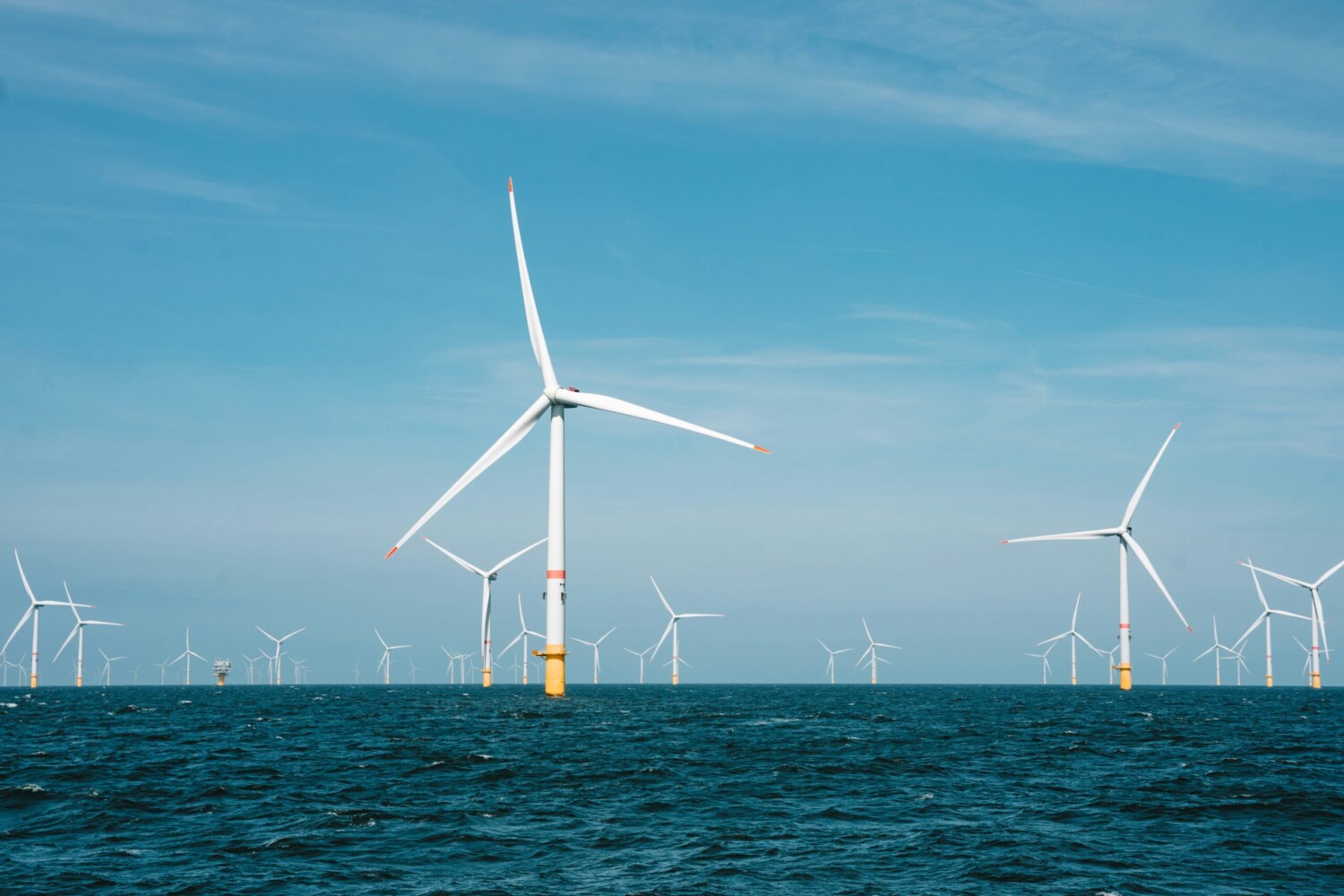
The Expansion of Offshore Wind Farms: What’s Next?
The UK’s offshore wind capacity is set to double by 2030, with significant projects in the North Sea and advances in floating wind technology. These developments are critical to achieving the nation’s ambitious net-zero targets while creating jobs and bolstering energy security. Offshore wind remains at the forefront of the UK’s renewable energy future. Investments in research and development are also unlocking new opportunities, such as exploring deeper waters for wind farm installations.
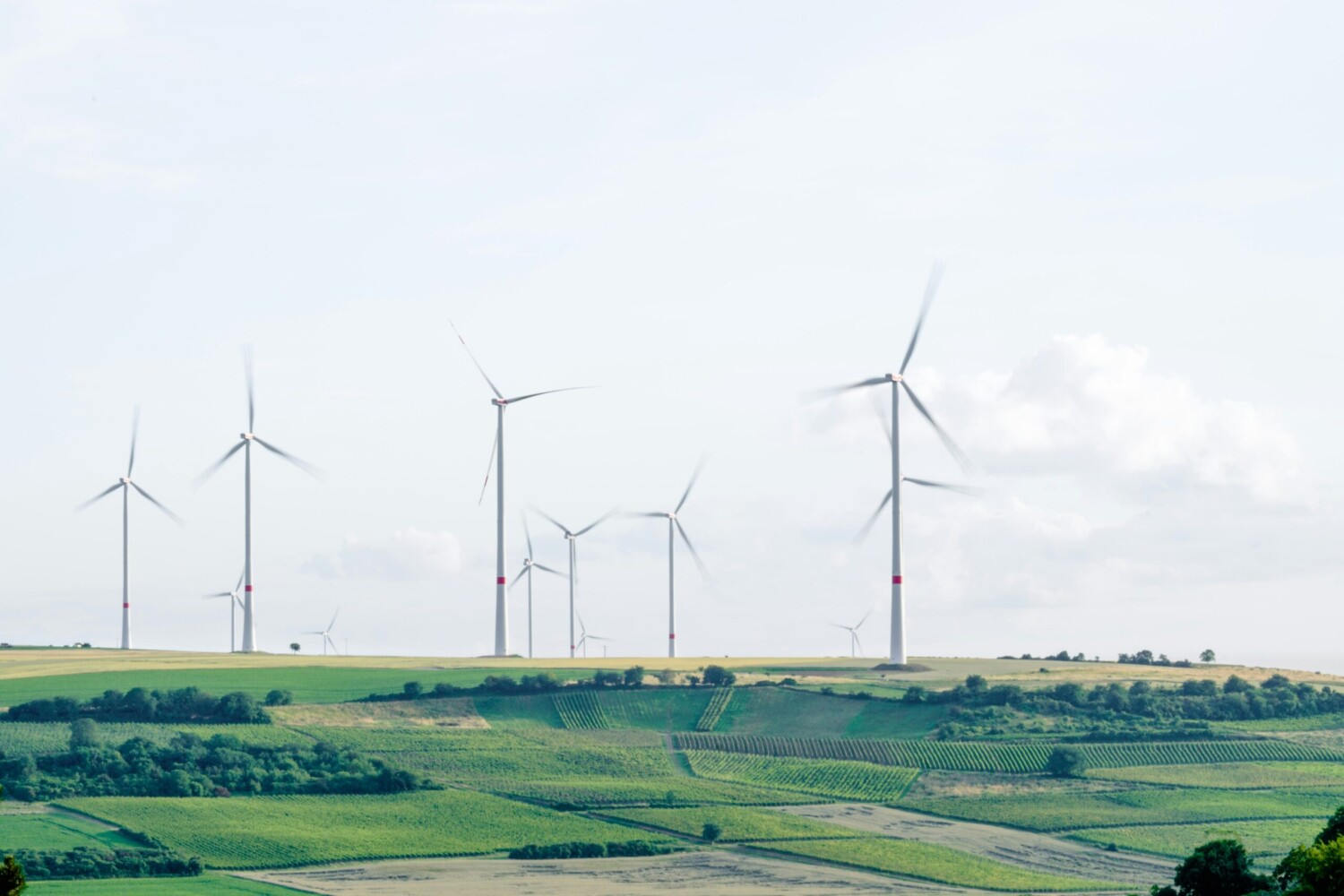
The Impact of Localised Energy Pricing on Renewables
Localised energy pricing could revolutionise the UK’s renewable energy landscape by offering cheaper electricity to communities near renewable sources. This approach incentivises local investment, supports decentralised energy systems, and reduces infrastructure costs. Such innovations could make renewable energy more accessible and equitable. Furthermore, they could encourage greater public support for renewable projects by directly benefiting nearby communities with lower energy costs.

The Role of Tidal Energy in the UK’s Energy Mix
Tidal energy is gaining traction as a reliable complement to wind and solar power. With the UK’s extensive coastline, projects like MeyGen are harnessing predictable tidal currents to generate clean energy. Tidal power’s consistency makes it an essential component in achieving a balanced and sustainable energy mix. Unlike other renewables, tidal energy’s predictability allows for more accurate grid planning, making it a crucial part of the UK’s long-term energy strategy.
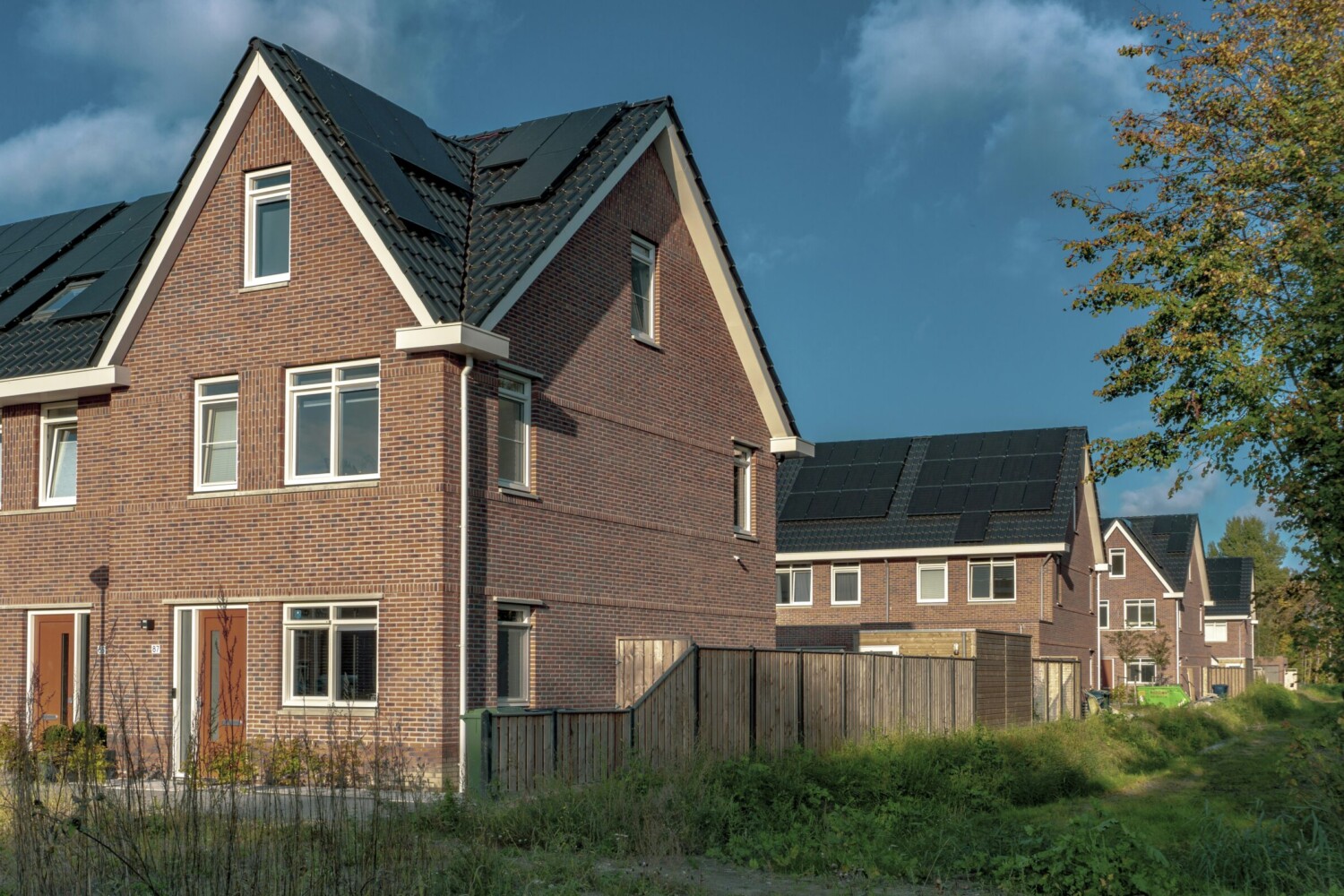
Solar Energy for Social Housing: A Game-Changer for the UK
Solar energy initiatives are transforming social housing in the UK, providing significant financial and environmental benefits. By equipping homes with solar panels, low-income households are saving on energy costs while reducing their carbon footprint. This approach demonstrates how renewables can tackle both economic inequality and climate change simultaneously. Moreover, these initiatives are fostering a sense of community ownership, empowering residents to participate in and benefit from the transition to clean energy.