Welcome to our Blog

OUR BLOG POSTS

READ OUR BLOG

Why Q2 Is the Critical Hiring Window for Power & Renewable Energy Projects

As we move into Q2, we’re seeing a clear shift across the power and renewable energy sector – from planning through to delivery.

Budgets are signed off, projects are live, and timelines are starting to matter a lot more.

But one thing is becoming increasingly obvious:
having the right people in place is what will determine whether those projects actually get delivered on time.

At Green Data Talent, we’re speaking to hiring managers every day across Power Systems, Grid and Electrification — and the same theme keeps coming up.

Those who are moving early are securing the talent they need.
Those who are waiting are already starting to feel the pressure.

Q2 Is Where Things Start to Move

Across Grid Infrastructure, Energy Storage and Electrification projects, April marks the point where delivery really begins to ramp up.

That’s driving demand for:

  • Power Systems Engineers
  • Commissioning & Field Engineers
  • Drives & Power Electronics specialists
  • Project and Site-based Professionals

The challenge isn’t just demand – it’s that everyone is looking for the same people at the same time.

The Market Is Moving Quickly

One of the biggest shifts we’re seeing right now is speed.

Engineers are often securing new roles within 2–3 weeks. Contractors are prioritising projects that can move quickly. Counteroffers are becoming more common.

At the same time, a lot of hiring processes haven’t adapted.

When decisions take too long, candidates simply move on – and that’s where projects start to feel the impact.

Contractor Hiring Picks Up in Q2

Q2 is always a busy period for contract hiring, and this year is no different.

As delivery ramps up, businesses are bringing in:

  • Commissioning Engineers
  • Automation & Control Specialists
  • Short-term Project Support

But success here comes down to clarity and speed – particularly around IR35, scope, and timelines.

What’s Working Right Now

The organisations getting ahead at the moment aren’t necessarily doing anything complicated, they are just being proactive by:

✔ Engaging people earlier
✔ Moving faster when they find the right talent
✔ Planning hiring alongside project timelines
✔ Working with partners who understand the market

Final Thought

Q2 is where hiring starts to directly impact delivery.

The difference between teams that are fully staffed and those still trying to hire will become more obvious as the year goes on.

At Green Data Talent, we’re supporting organisations across power and renewables to secure the engineers they need to deliver.

If hiring is part of your plan this quarter, it’s worth getting ahead of it now.
Why 2026 Will Be a Defining Year for Power & Grid Talent in the UK

The UK’s energy transition has moved from ambition to execution.

Grid upgrades, electrification programmes, HVDC projects and power conversion systems are accelerating. Investment is flowing.

But capital is not the constraint. Specialist engineering talent is.

At Green Data Talent, we work closely with hiring managers across power systems, drives and renewable infrastructure. The message emerging in early 2026 is clear: workforce strategy is now directly impacting delivery performance.

Grid Infrastructure Is the New Bottleneck

As renewable generation increases, focus has shifted to transmission upgrades, substations and grid modernisation.

Demand for:

  • Power Systems Engineers
  • Protection & Control specialists
  • HV/HVDC engineers
  • Commissioning and Field Service Engineers

…is intensifying.

Many experienced engineers are already committed to long-term programmes. The available talent pool is limited — and highly mobile.

Delayed hiring is no longer just an HR issue. It is affecting mobilisation timelines, commissioning schedules and revenue milestones.

Reactive hiring models are consistently losing pace.

Contractor Demand Is Rising – & So Is Competition

With expanding project pipelines, contract hiring is accelerating.

However, businesses must now navigate:

  • IR35 considerations
  • Security-cleared / UK-only requirements
  • Compressed mobilisation timelines
  • Increased counteroffer activity

Engineers entering the market are often securing roles within two to three weeks. Organisations operating on extended approval cycles are missing first-choice candidates.

Speed and internal alignment are competitive advantages.

Specialist Markets Are Tightening Further

Power electronics and drives engineering is one of the most competitive areas we are seeing.

As electrification expands across industry and infrastructure, demand for niche technical capability continues to outpace supply.

These professionals are rarely active applicants. They are approached — frequently.

Building long-term talent pipelines, rather than hiring reactively, is reducing time-to-hire and improving technical outcomes.

2026 Will Reward Proactive Workforce Planning

The organisations outperforming this year are those who:

✔ Map hiring needs against project pipelines early
✔ Blend permanent and contract strategies effectively
✔ Engage specialist talent before formal release of roles
✔ Partner with recruiters who understand the technical market in depth

The energy transition is accelerating.

The engineering market is tightening.

The gap between proactive and reactive organisations will widen throughout 2026.

If specialist power and grid talent sits on your critical path, early engagement is no longer optional – it is strategic.


At Green Data Talent, we partner with infrastructure organisations to secure the engineers who make delivery possible.

A Point of No Return for Fossil Fuels

The International Energy Agency’s new report says Renewable Energy will grow faster than any other major source in the coming decade, making the shift away from fossil fuels inevitable.

The world is on track to install more renewable capacity in the next five years than in the past 40!

This is enough to meet nearly all rising electricity demand from EVs, heating, cooling and AI datacentres. Nuclear power is also seeing renewed interest as tech companies seek steady low-carbon power.

Political backlash in the US and parts of Europe, including calls from the Trump administration to expand drilling, is unlikely to slow the overall transition.

Analysts say it understates the pace of electrification and that rapid renewable growth remains unavoidable. These findings are expected to strengthen efforts at Cop30, where leaders hope to advance plans to triple Renewable Energy by 2030 and phase out fossil fuels.

Climate advocates say wealthy countries must stop funding new Oil and Gas projects and scale up climate finance, noting that the fossil fuel era is fading while Clean Energy accelerates.

Source: Supply boom in cheaper renewables will seal end of fossil fuel era, says IEA | Renewable energy | The Guardian

The Global Turning Point for Renewable Energy

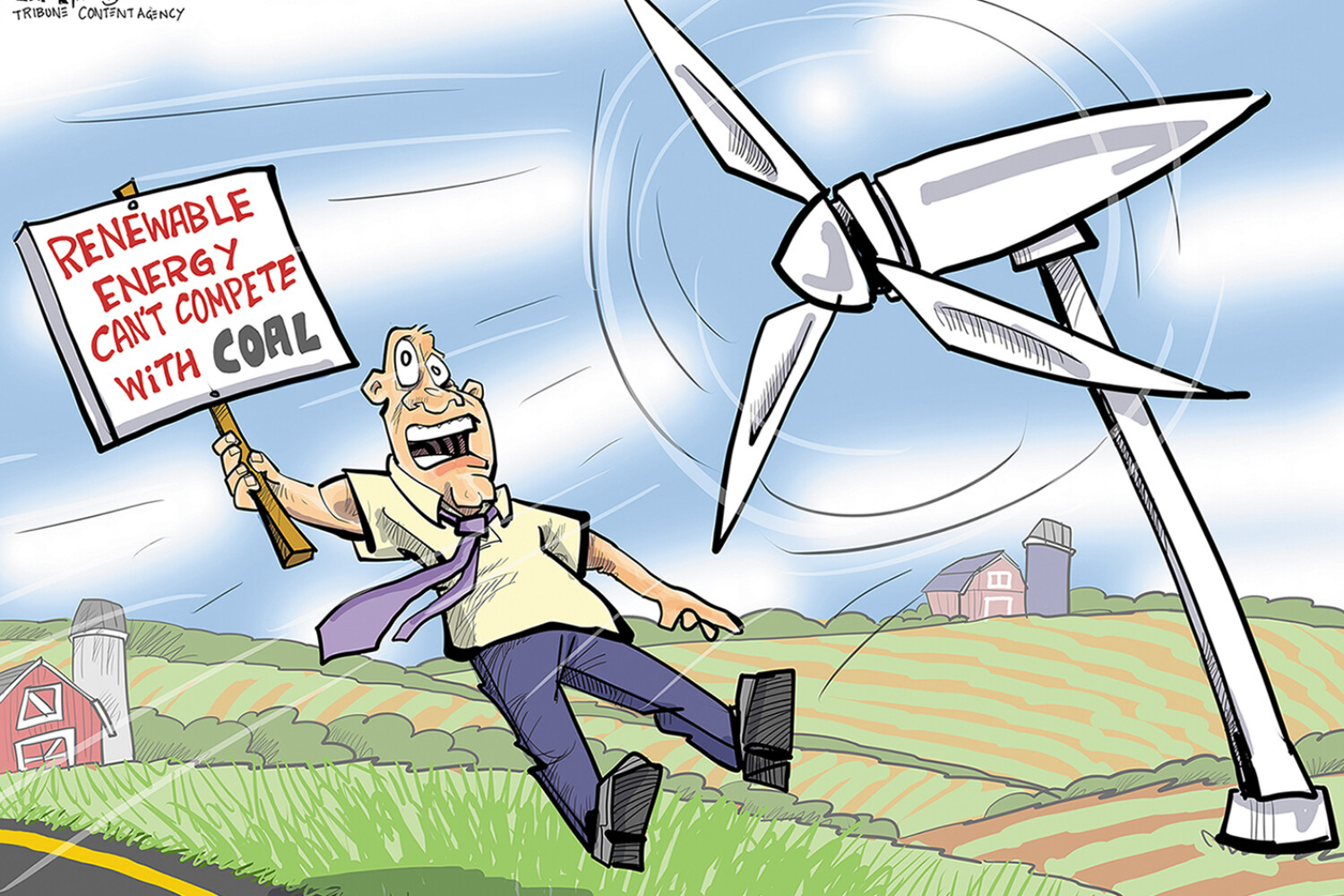
The world has reached a historic milestone. Renewable Energy has, for the first time ever, overtaken coal as the leading source of electricity.

The transition reflects a broader shift in how nations meet their growing energy needs, with clean power sources like solar and wind now expanding fast enough to match rising global demand. This marks a crucial inflection point in the decades-long move away from fossil fuels.

Yet, this global achievement hides sharp regional contrasts.

Emerging economies, particularly in Asia, are driving much of the progress. Countries like China and India are adding vast amounts of solar and wind capacity, often outpacing their growing electricity use and reducing dependence on coal and gas.

In contrast, many wealthier nations have seen a temporary step backward. The U.S. and parts of Europe are relying more heavily on fossil fuels due to a policy shakeout, weak renewable output and slow infrastructure investment.

What is certain is that the Renewable Energy transition is no longer about potential, it’s about pace.

The New Era of Maritime Energy

The Maritime industry is undergoing a significant transformation as Sustainability and emissions reduction become operational imperatives.

Multiple offshore energy solutions are emerging to meet these challenges:

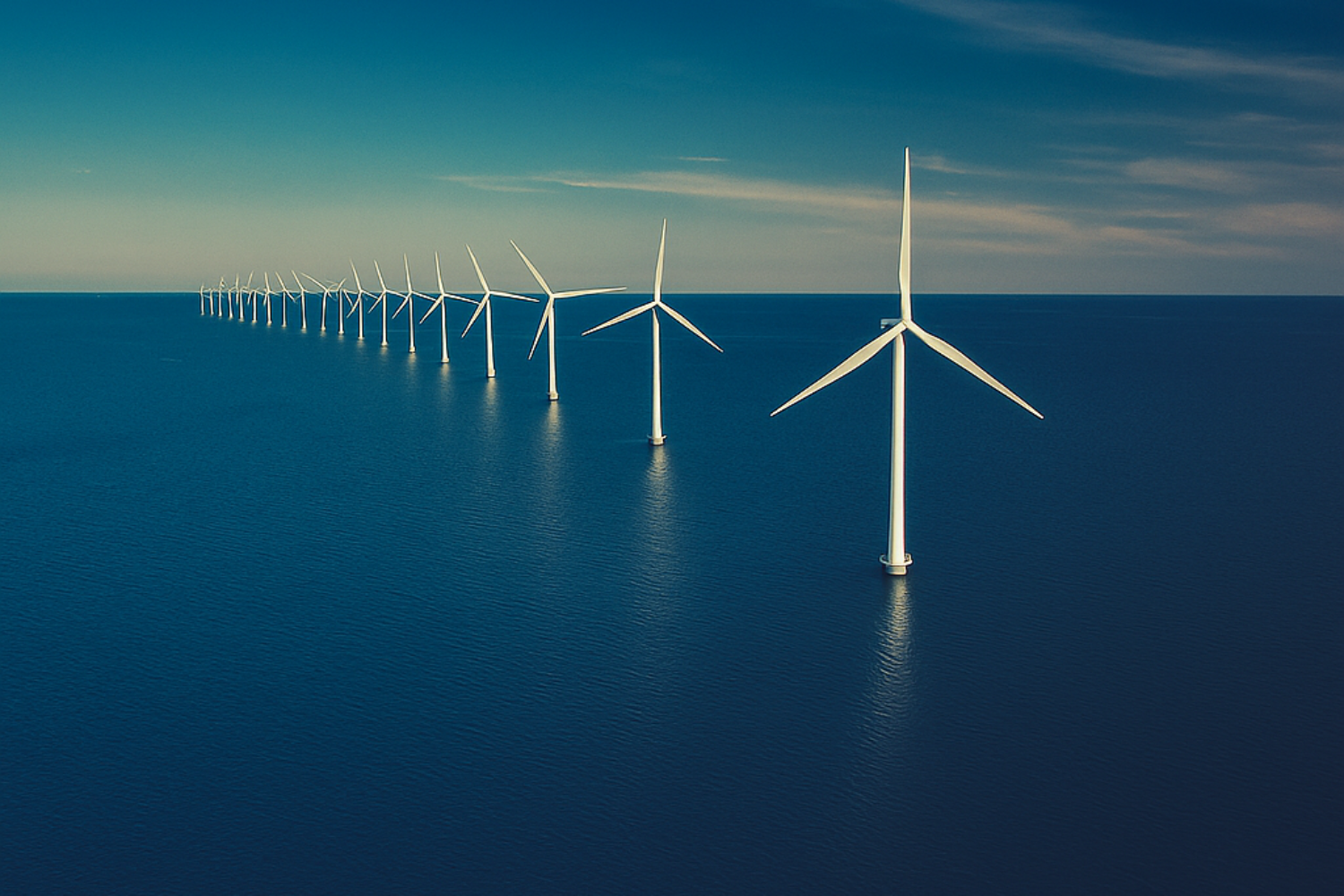
At the forefront of this shift are offshore virtual power plants (VPPs) which are integrated networks that combine offshore wind turbines, floating solar arrays, and hybrid energy storage systems. By aggregating these distributed resources as a unified power source, offshore VPPs optimise Renewable Energy production and enhance grid stability. Their offshore positioning enables efficient energy harvesting without occupying valuable coastal/terrestrial space.

Floating platform-to-ship (P2S) systems are another innovative solution enabling sustainable maritime operations. These platforms act as floating charging stations, delivering renewable electricity directly to ships during anchorage. By replacing conventional auxiliary engines with clean energy supplied from these platforms, vessels significantly reduce fuel consumption and emissions while stationary.

Strategically located Offshore Energy hubs are designed to provide sustainable power to anchored ships and support bunkering activities using green energy. These hubs serve as multi-functional platforms, enabling ship-to-ship energy transfers and on-site Renewable Energy generation.

Purpose-built mooring and power platforms complement these systems by providing stable anchorage points alongside direct renewable energy supply. Helping reduce overall emissions and reliance on onboard fossil fuel generators.

And from a recruitment standpoint, an influx of Maritime Electrification roles will emerge. New positions around M&O of floating charging platforms, electric bunkering stations, and offshore energy hubs are being created.

Marine and Renewable Energy are more interconnected than ever before.

Source: Alexander Micallef, Maurice Apap, John Licari, Cyril Spiteri Staines, Zhaoxia Xiao, Renewable energy systems in offshore platforms for sustainable maritime operations, Ocean Engineering, Volume 319, 2025, 120209, ISSN 0029-8018,
https://doi.org/10.1016/j.oceaneng.2024.120209.

The High Cost of Hiring Delays (& How to Minimise Them)

For industries driving innovation for the Energy Transition, some of the more technically demanding skillsets across Engineering are difficult to identify and attract to the business.

We know this comes down to talent scarcity, high competition and stringent project requirements.

The knock-on effect on a business can be damaging, with projects being delayed, over-exceed budgets, overworked staff and reduced productivity, to name a few.

These challenging searches require time and attention.

We work with our clients to ensure any negative impacts on the business are kept to a minimum.

Some different solutions that help alleviate pressure in the interim include:  

  • Onboarding contractors to bridge the gap
  • Temporarily reallocating staff to manage workload while continuing the search
  • Split the role to divide responsibilities across multiple employees
  • Reassess core competencies and, if budgets allow, offer training and development programmes for junior staff
  • Reach out to previous applicants to assess whether they now possess the right skillset and have qualified for the role
  • Flexibility with increasingly hybrid/remote working models (dependent on the nature of the role)

Finding the right talent efficiently in the Energy sector isn’t easy.

But with the right approach that incorporates temporary solutions to bridge the gap, the negative impact on projects and overall business performance are kept to a minimum.

Risk vs Reward – Start-ups or Global Organisations?

Weighing the options between start-ups and well-established organisations is a common predicament candidates face when considering their next opportunity.

In the Renewable Energy market, start-ups can appeal to those wanting to take full ownership over cutting-edge technologies.

With established processes and robust safety and compliance frameworks at the heart of renowned energy providers, engineers can contribute to energy transitions at scale whereas those contributions may materialise at a slower pace due to company policies.

Generally speaking, start-ups are the answer if you want rapid growth, are comfortable with unpredictability and value close relationships with the whole team, whereas global organisations suit those seeking stability, structured growth, and access to large-scale resources.

There’s no right answer.

Essentially, you have to assess individual strengths and weaknesses and ask yourself – which environment will best support those qualities?

Green Data Talent are fortunate to be partnered with emerging starts-ups through to household names – providing our candidates with an array of options best-suited to their personality and career aspirations.

Nuclear Revival: What does Sizewell C mean for Energy & Talent ?

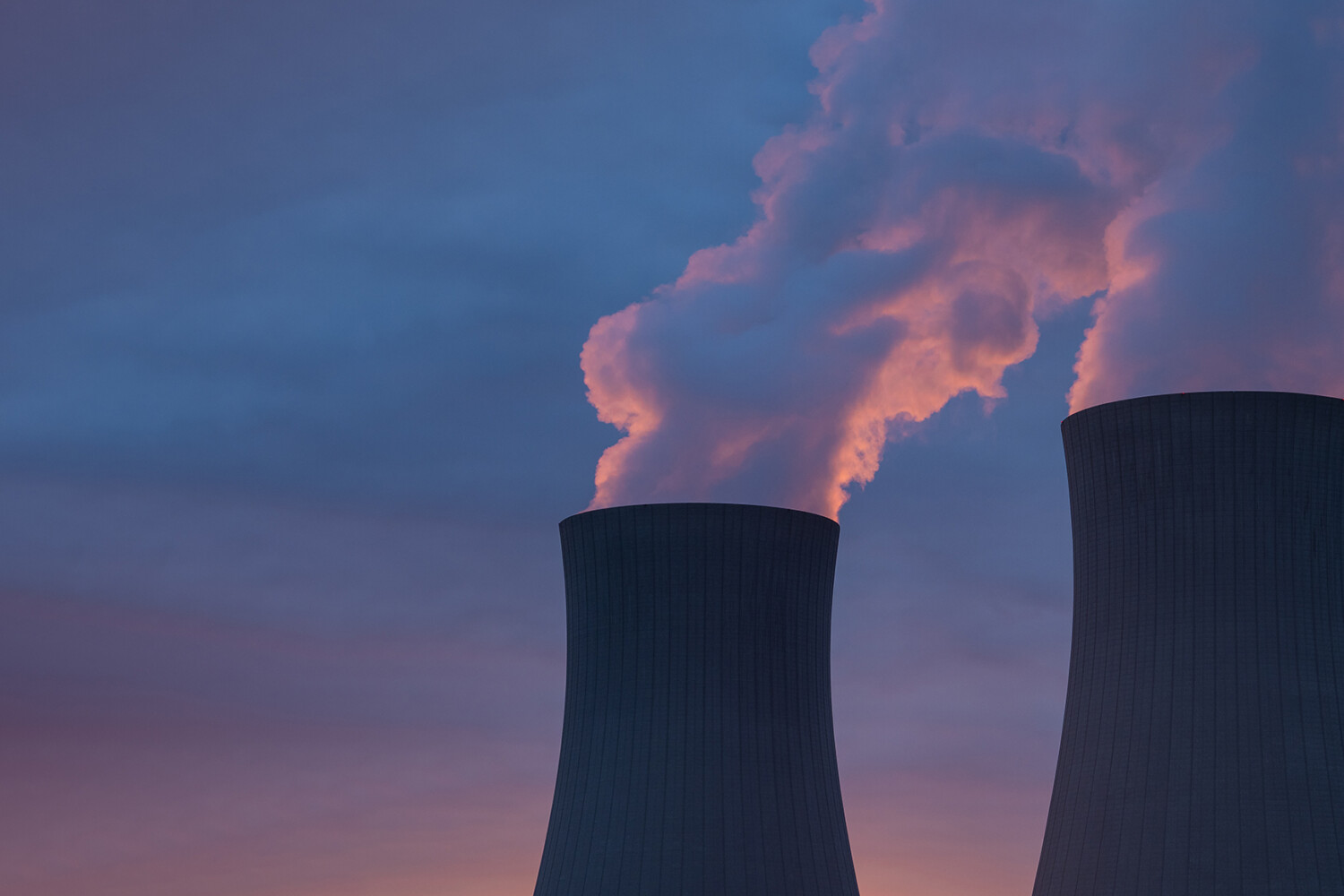
Earlier this week, the UK government committed £14.2 billion to kickstart the construction of Sizewell C, a 3.2GW nuclear plant in Suffolk.

With the capacity to power 6 million homes, Sizewell C marks a major shift toward low-carbon, dependable electricity, reducing reliance on imported fossil fuels. Beyond infrastructure, this project is a talent engine, driving jobs across Engineering, Supply Chains and Construction. For companies involved, this investment strongly reinforces an urgent need to build and connect with highly skilled teams.

The creation of 10,000 new jobs presents a growing need and competition for expertise. With ongoing engagement across the sector, Green Data Talent is well placed to contribute meaningfully to this high-impact project.

Projects like Sizewell C highlight why now is the time to invest in recruitment strategies that align with the future of clean energy.

Powering Change: New Government Measures for Solar Panels and Heat Pump Installation

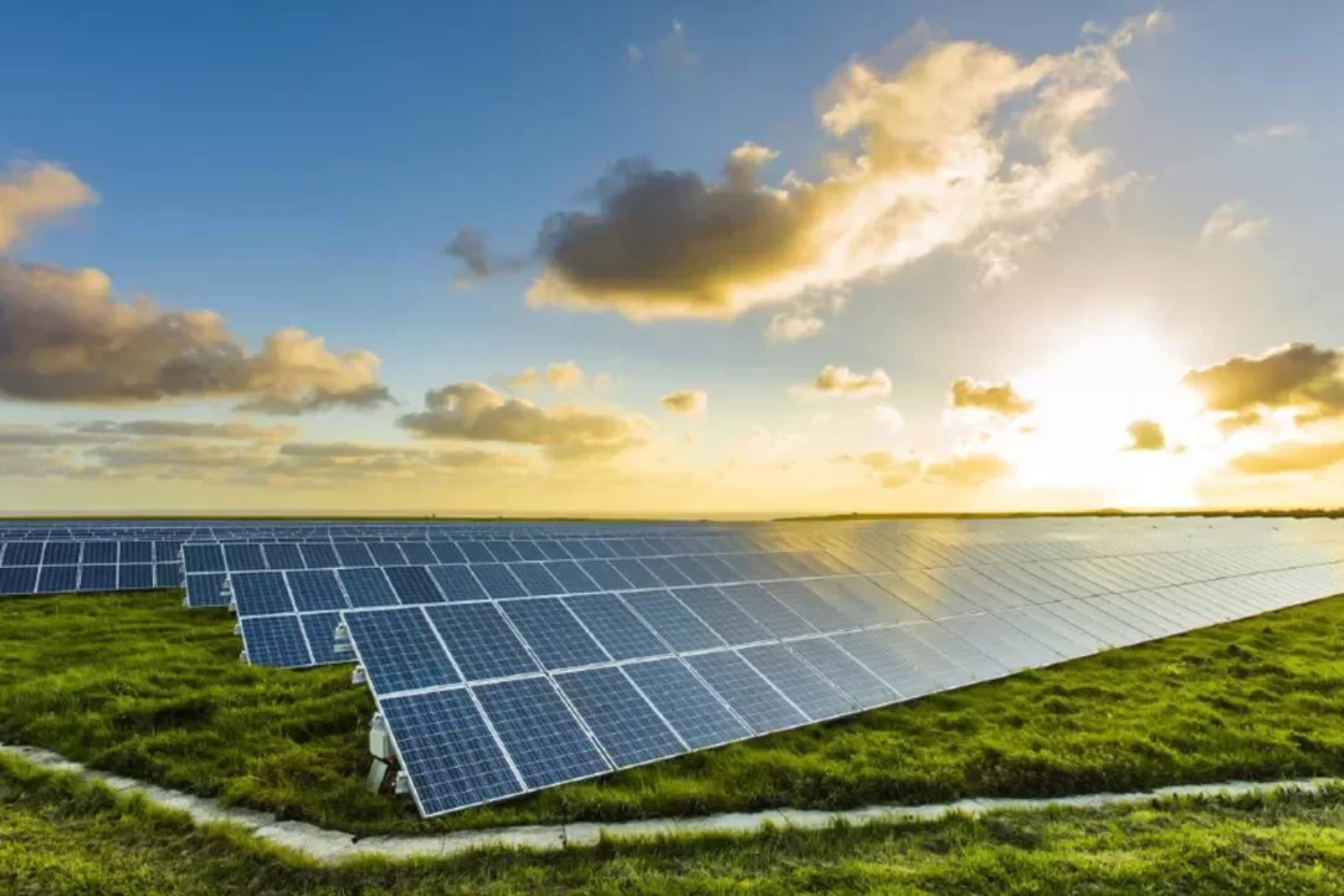
As part of the government’s Plan for Change, all new build homes will now be required to have solar panels as standard. This is a major step towards lowering household energy bills and increasing the use of clean energy.

Further measures under the upcoming Future Homes Standard are set to be published this autumn, will ensure that new homes are built to be modern, energy-efficient, and cost-effective to run — helping households save hundreds of pounds each year.

Additionally, the government has also made it easier for existing homeowners to adopt low-carbon heating with recent legislation now allowing heat pumps to be installed without the need for a planning application.

These initiatives are expected to reduce costs for families whilst contributing to the UK’s long-term energy security.

Talent Scarcity in Engineering


Recruiting for multiple skillsets means we are witnessing firsthand the widening gap between traditional and software disciplines. Fewer of the younger generation are pursuing careers in fields like mechanical engineering, while interest in software and AI-driven roles surges.

And this heightened interest is similarly reflected in elevated salaries.

Companies and industries rooted in physical engineering must rethink how they are going to train and inspire future talent.

How can we overcome this?

  • Introduce interdisciplinary degree widening skillsets and developing more well-rounded Engineers
  • Career pathways that show how mechanical engineers can grow alongside software-driven industries
  • Recognition and incentives that make mechanical and physical roles just as rewarding and future-proof

The world still needs physical infrastructure, machines, energy systems, and manufacturing.

These roles are critical—and they deserve support.


EMPOWERING INNOVATION THROUGH TALENT

Let’s build the future of energy and technology together.

Green Data Talent International LTD

Level 30,
The Leadenhall Building,
122 Leadenhal Street,
London,
EC3V 4AB

info@greendatatalent.com

+44 203 023 0580

Green Data Talent International LTD

Company Number : 16055806
contact-section